Why We Love to Suffer: The Rise of ‘Hostile’ Games
The other night, I was deep in a Hunt: Showdown match. My heart was pounding, my hands were slick with sweat, and I was down to my last health chunk. I’d just survived a frantic firefight with another team over the bounty, and now I could hear the growls of hellhounds closing in. Every snapped twig sounded like an enemy hunter. It was stressful. It was tense. It was, by most definitions, not “fun.” But when I finally limped to that extraction point, bounty in hand, the feeling of relief and triumph was absolutely electric.
And it got me thinking. Why do we do this to ourselves? Why do we gravitate towards games that seem designed to cause us pain? I’m talking about the gear fear in Escape from Tarkov, the brutal learning curve of Monster Hunter, or the unforgiving permadeath of a good Dwarf Fortress run.
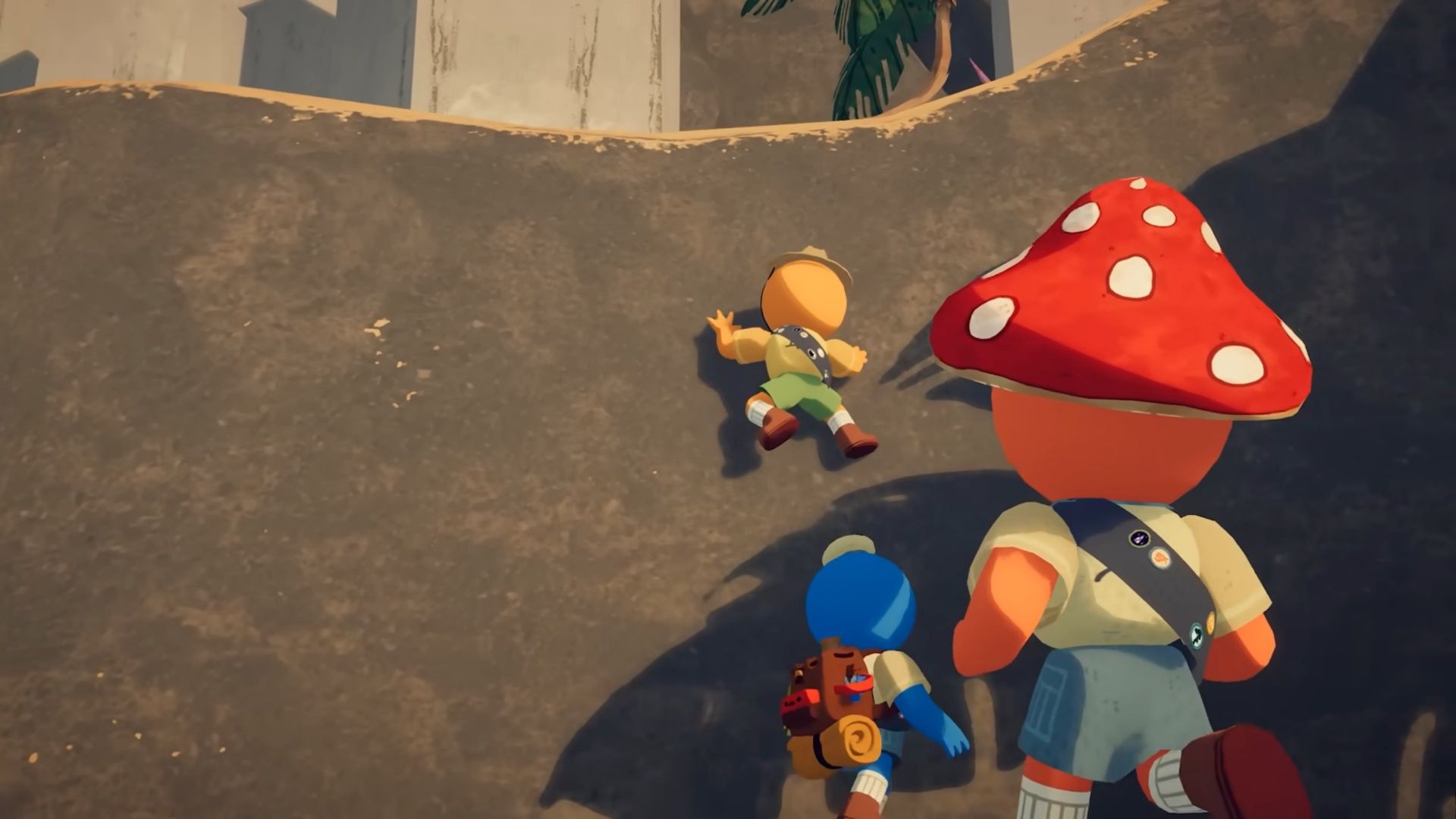
Lately, it feels like this idea has gone mainstream. Have you noticed the absolute explosion of climbing games? It’s like every indie dev woke up one day and decided our virtual lives needed more vertigo and punishing falls. We’ve got PEAK, Jusant, A Difficult Game About Climbing, and a dozen others. This isn’t a coincidence. It’s a symptom of a bigger, more interesting trend in game design, one I like to call “Hostile Design.” And I think it’s a sign that gaming is growing up.
From Power Fantasy to Painful Progress
Let’s be real for a second. For decades, mainstream games have been all about making you feel powerful with as little friction as possible. Think about climbing in a game like Assassin’s Creed or Uncharted. It’s smooth, it’s automatic, it’s a means to an end. The game highlights every handhold in bright yellow paint, and your character zips up walls like a superhero. If you fall? No big deal, you just pop back to the last ledge, a few seconds lost. It’s a power fantasy, designed to be empowering and, above all, not frustrating.
Now, compare that to something like Getting Over It with Bennett Foddy. The controls are deliberately clumsy. A single mistake can send you tumbling back to the very beginning, erasing an hour of painstaking progress. The moment-to-moment experience is pure, uncut stress. There are no eureka moments like in a puzzle game, no adrenaline rush like in an action game. There is only the strain in your mind and the ache in your hand.
So, why would anyone choose the latter? Why trade buttery-smooth empowerment for grueling, hostile punishment?
The answer is something climbers in the real world call “Type 2 Fun.”
- Type 1 Fun: This is the simple, immediate joy. Riding a roller coaster, laughing with friends, eating a good meal. It’s fun while it’s happening.
- Type 2 Fun: This is the miserable stuff. A grueling hike, a brutal workout, or… trying to extract from a Tarkov raid with a backpack full of loot. It’s not fun while it’s happening. In fact, it often sucks. But the feeling of accomplishment and the story you get to tell afterward makes it all worthwhile.
These new hostile games are masters of Type 2 Fun. They understand that true satisfaction doesn’t come from being handed a victory. It comes from the catharsis, that brilliant, beautiful release of pressure that can only happen after a period of intense, exhausting effort. The fun isn’t in the playing, it’s in the having played. It’s in looking back at the mountain you just climbed, literal or metaphorical, and knowing that you earned that view.
The Developer’s Tightrope: The Art of Good Suffering
Okay, so we’ve established that stress can lead to satisfaction. But this is where it gets tricky. There’s a fine line between a game that is challengingly hostile and one that is just plain bad. A developer can’t just crank up the difficulty and call it a day. Crafting a good “Type 2 Fun” experience is an art form. It requires a careful, systematic balancing act.
Part 1: The Illusion of Peril
The best hostile games are masters of psychological warfare. They make you feel like you’re constantly on the brink of total disaster, even when you’re not. The goal is to create maximum tension without causing so much frustration that the player just rage-quits.
Think about XCOM. The game is brilliant at making you feel like you’re one bad move away from losing the entire planet. Your best soldier just missed a 95% shot, a UFO is shooting down your satellite, and three countries are about to pull their funding. It feels hopeless! But in reality, actually reaching the “game over” screen is pretty hard. The game is designed to keep you in that state of “managed crisis” because that’s where the most compelling stories happen.
Part 2: Encouraging a Little Masochism
Here’s a weird truth: as players, we are our own worst enemies when it comes to Type 2 Fun. Our brains are wired to optimize the fun and minimize the risk. If given the chance, we’ll find the safest, most boring path to victory.
So, a good hostile game has to trick us into making things harder for ourselves. It has to incentivize risky, dangerous behavior because that’s where the tension lives.
This is the entire magic of extraction shooters like Tarkov. The core loop is a push-your-luck dilemma. The better the gear you bring into a raid, the higher your chance of survival and the more loot you can carry out. But… you also have way more to lose if you die. This “gear fear” means that even when you’re at your most powerful, you’re also at your most vulnerable. The tension is always high, forcing you to constantly ask: “Do I risk it for more, or do I cut my losses and run?”
Part 3: The Challenge Must Grow With You
This might be the most important rule of all. A hostile game has to keep pace with your own growing skill. If the pressure doesn’t scale, the catharsis disappears.
Death Stranding is a fascinating case study here. The early game is a masterpiece of Type 2 Fun. You’re on foot, struggling with every package, carefully managing your balance and stamina. Every delivery over treacherous terrain feels like a monumental victory. But then, the game starts giving you toys. Ziplines, trucks, anti-BT weapons. By the mid-game, you can bypass almost all the early challenges that made the experience so tense and rewarding. The pressure fades, and so does that unique sense of accomplishment.
Contrast that with a game like Monster Hunter. When you first fight a Rathalos, it’s a terrifying, epic struggle. But after hunting a dozen of them, you learn its patterns. It becomes easy. That’s when the game introduces G-Rank, with faster, stronger monsters that have new, deadlier attacks. The game respects your mastery by throwing an even greater challenge your way, forcing you to learn and adapt all over again. The pressure keeps rising to meet your skill, ensuring that the satisfaction never plateaus. The best climbing games do this too, with longer climbs and trickier hazards that ensure even a veteran player feels drained and exhausted and ultimately, triumphant when getting to the summit.
So, Why Now?
It’s no accident that we’re seeing this surge in hostile, demanding games right now. We’re living in an age of “dopamine dispensers.” From mobile gacha games with their flashy summons to idle games that play themselves, we are surrounded by experiences designed for simple, frictionless, immediate rewards. They flatter us, they never ask us to change or grow, and honestly, they can feel a little empty.
I think, deep down, a lot of us are tired of it. We’re subconsciously craving something that will push back. We want a challenge that feels meaningful, an obstacle to overcome that requires real effort and perseverance. We want to be reminded that we can struggle, adapt, and come out stronger on the other side.
Hostile games aren’t about being mean to the player. The best ones are actually incredibly supportive. They trust you to be resilient. They encourage you to take risks. They don’t let you rest on your laurels because they know you’re capable of more. The satisfaction comes not just from beating a hard game, but from the knowledge that the person you were when you started couldn’t have done it.
So next time you’re playing a game that feels like hard work, where every step forward is a struggle, don’t give up. Resist the urge to switch to something easier that lets you turn your brain off. Embrace the hostility. The reward waiting for you on the other side is one of the most powerful experiences gaming has to offer.