
Why Secure Boot Won’t Save Online Gaming (And How It Hurts Gamers Instead)
Let’s get one thing straight: I hate cheaters. I don’t want them in my games, your games, or anywhere near a server I’m on. But here’s the uncomfortable truth: Secure Boot isn’t the magic bullet anti-cheat developers think it is. In fact, it’s not even close. Worse, it’s making life harder for regular gamers all over the world.
I’m not just speaking as a gamer. I’m also a developer. I’ve spent years building software, tinkering with operating systems, and yes, sinking far too many hours into games like Escape from Tarkov, Monster Hunter, Path of Exile, Sea of Thieves, and Hunt: Showdown. I’ve seen the good, the bad, and the ugly of online gaming.
So let’s break this down: What is Secure Boot? Why are anti-cheat developers so obsessed with it? And why is it actually a bad move for the gaming community?
What Secure Boot Actually Does
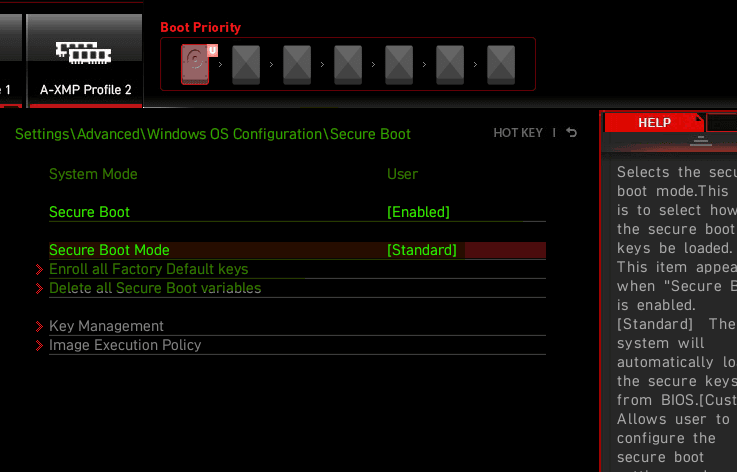
Secure Boot is a feature built into modern PCs as part of the UEFI firmware standard. Its job is simple: ensure that when your computer starts, only trusted, signed software runs before your operating system loads. In theory, it’s like a bouncer at the club door, checking IDs before letting anyone in. This helps prevent malicious programs from sneaking in before Windows or Linux starts.
But here’s the catch: while Secure Boot works smoothly with Windows, it’s far less friendly to Linux. Using it with Linux often means extra steps like signing GRUB or custom kernels. For gamers who dual-boot, this can be a frustrating headache.
Why Anti-Cheat Developers Love It
Some cheaters run special software before the OS even starts. This lets them spoof hardware IDs and bypass hardware bans. Secure Boot, in theory, blocks that, if it’s enabled, the system won’t run that “pre-OS” cheat software unless it’s signed and trusted.
From an anti-cheat developer’s perspective, that sounds perfect:
“If we require Secure Boot, we can stop these cheats before they even load.”
Nice idea. But here’s the problem: it doesn’t actually work as well as they hope.
Secure Boot Has Already Been Bypassed
Yep. The very thing anti-cheat developers are betting on? Cheaters have already found ways around it.
Real-world examples:
- BootHole (2020) – A flaw in GRUB2 that allowed unsigned code to run even with Secure Boot enabled.
- BlackLotus (2023) – A UEFI bootkit that bypassed Secure Boot on fully patched Windows 11.
- Leaked signing keys (2024) – Allowed malicious bootloaders to be signed as “trusted.”
If the bad guys can still get in, what’s the point? All Secure Boot ends up doing is making life harder for the good guys.
The Collateral Damage: Regular Gamers
When a game’s anti-cheat requires Secure Boot, it’s not just cheaters who get locked out, it’s anyone who doesn’t run their PC exactly the way the anti-cheat expects.
That means:
- Linux gamers who dual-boot with Windows may be blocked if the anti-cheat doesn’t support Linux.
- PC tinkerers using custom bootloaders for special setups get blocked.
- People with older hardware that doesn’t support Secure Boot are out of luck.
- Gamers in countries with limited access to new hardware get punished for something they didn’t do.
Imagine playing Warframe or Guild Wars 2 for years, with a custom-built PC or a Linux setup for work. Then one day, you log in and get told:
“Sorry, you can’t play unless you turn on Secure Boot.”
And if your setup doesn’t support it? Too bad.
The Kernel-Level Anti-Cheat Problem
Secure Boot isn’t the only “nuclear option” in play. Kernel-level anti-cheats are everywhere now. These run with the highest possible privileges on your PC, meaning they can see everything:
- Every key you press.
- Every file you open.
- Every network packet you send or receive.
- Even when you’re not playing the game.
It’s like giving a stranger the keys to your house, your car, and your bank account, and hoping they don’t snoop around.
And here’s the kicker: cheaters have already beaten kernel-level anti-cheats too. So we’re giving up privacy and control for… what, exactly? A false sense of security?
Why This Matters for the Gaming Community
Some people say:
“Who cares? Just turn on Secure Boot and move on.”
But that misses the point. Gaming isn’t just about the latest AAA shooter. It’s about accessibility. It’s about letting people play the games they love, on the systems they have, in the way they want.
When you lock games behind Secure Boot, you’re telling a huge part of the community:
“You’re not welcome here unless you play by our rules.”
That’s not how you build a healthy gaming ecosystem.
A Better Way: Smarter Anti-Cheat
Valve might be onto something with their AI-based anti-cheat approach. Instead of digging into your PC’s deepest systems, they focus on how you play.
They analyze:
- What you see.
- What you do.
- Whether your actions are even possible for a human.
If you’re snapping headshots through walls in Counter-Strike, the system notices. If you’re moving in ways that require information you shouldn’t have, it flags you.
This method doesn’t care what OS you’re running. It doesn’t care if you dual-boot. It doesn’t need to invade your privacy. It just looks at the game itself.
The Global Impact
Not everyone can just buy a new PC that supports Secure Boot. Not everyone can afford to upgrade. Not everyone can run Windows as their only OS.
By making Secure Boot mandatory, you’re cutting off entire regions from your game. You’re telling players in developing countries:
“Sorry, you can’t play because your hardware is too old.”
That’s not just bad for players, it’s bad for the game’s community, its culture, and its long-term health.
Final Thoughts And What Gamers Can Do
We can speak up. We can tell developers and publishers that we want fair play and fair access. We can support games that use smarter, less invasive anti-cheat systems. We can refuse to accept “just turn on Secure Boot” as a solution.
Because if we don’t, the future of PC gaming could be a locked-down, Windows-only, privacy-invasive mess.
Secure Boot isn’t the hero anti-cheat developers think it is. It’s already been bypassed. It hurts regular gamers more than it stops cheaters. And it’s part of a worrying trend toward more invasive, less player-friendly security measures.
We need better solutions. Smarter solutions. Solutions that protect the game without punishing the players.
Because at the end of the day, gaming should be about fun, challenge, and community not fighting your own PC just to log in.